[00:00:00] Cristina Quinn: Hi, Cristina Quinn here, host of Fighting Crime. If you enjoy this episode, you may be interested in listening to our documentary featuring Ashley Spence. It’s all about DNA, and it’s called Can a DNA Cheek Swab Prevent Crime? It’s on the Fighting Crime channel. Now, just a heads up, before you listen to this episode of Field Notes, this program discusses sexual assault, rape, and violence in some detail.
So if that’s something you’d rather avoid, listen to one of our other Field Notes interviews, or come over to Fighting Crime. We’ve got a great episode on air pollution that you should not miss.
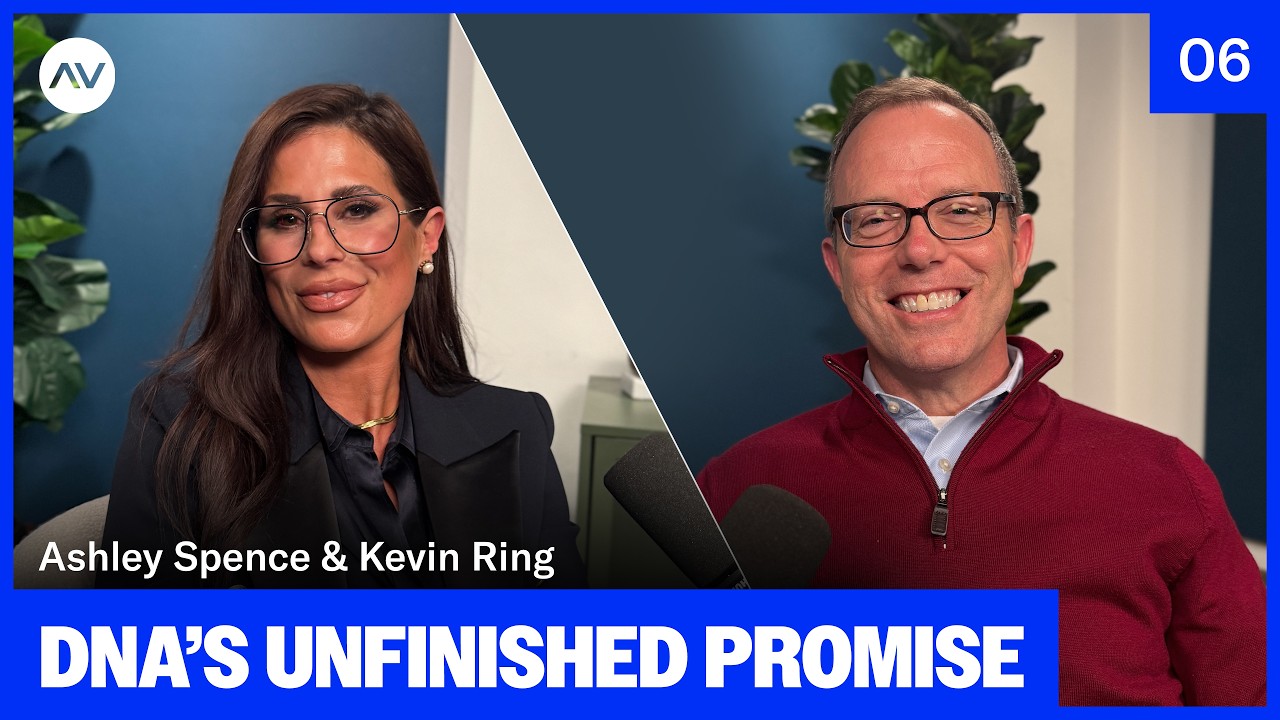
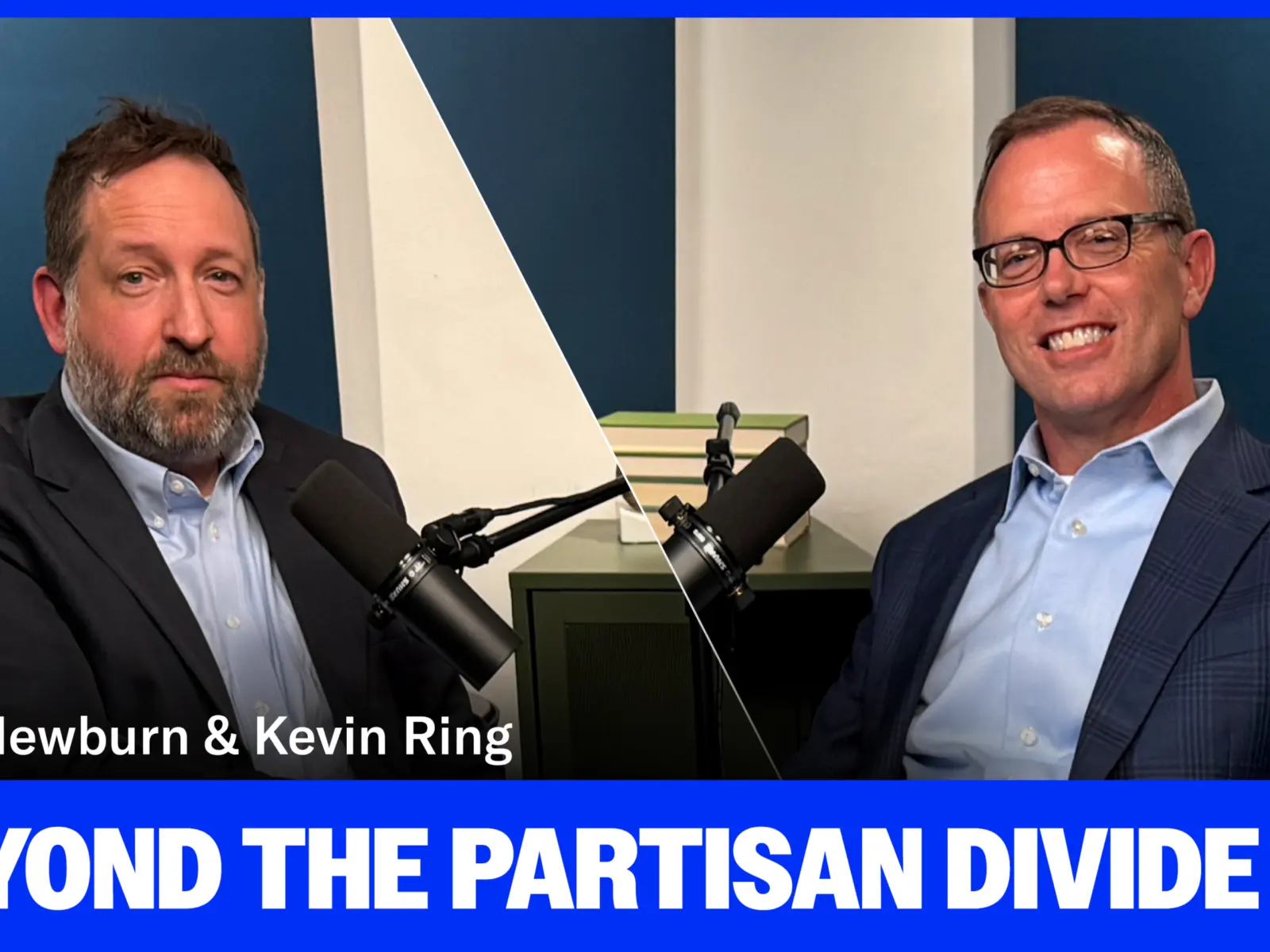
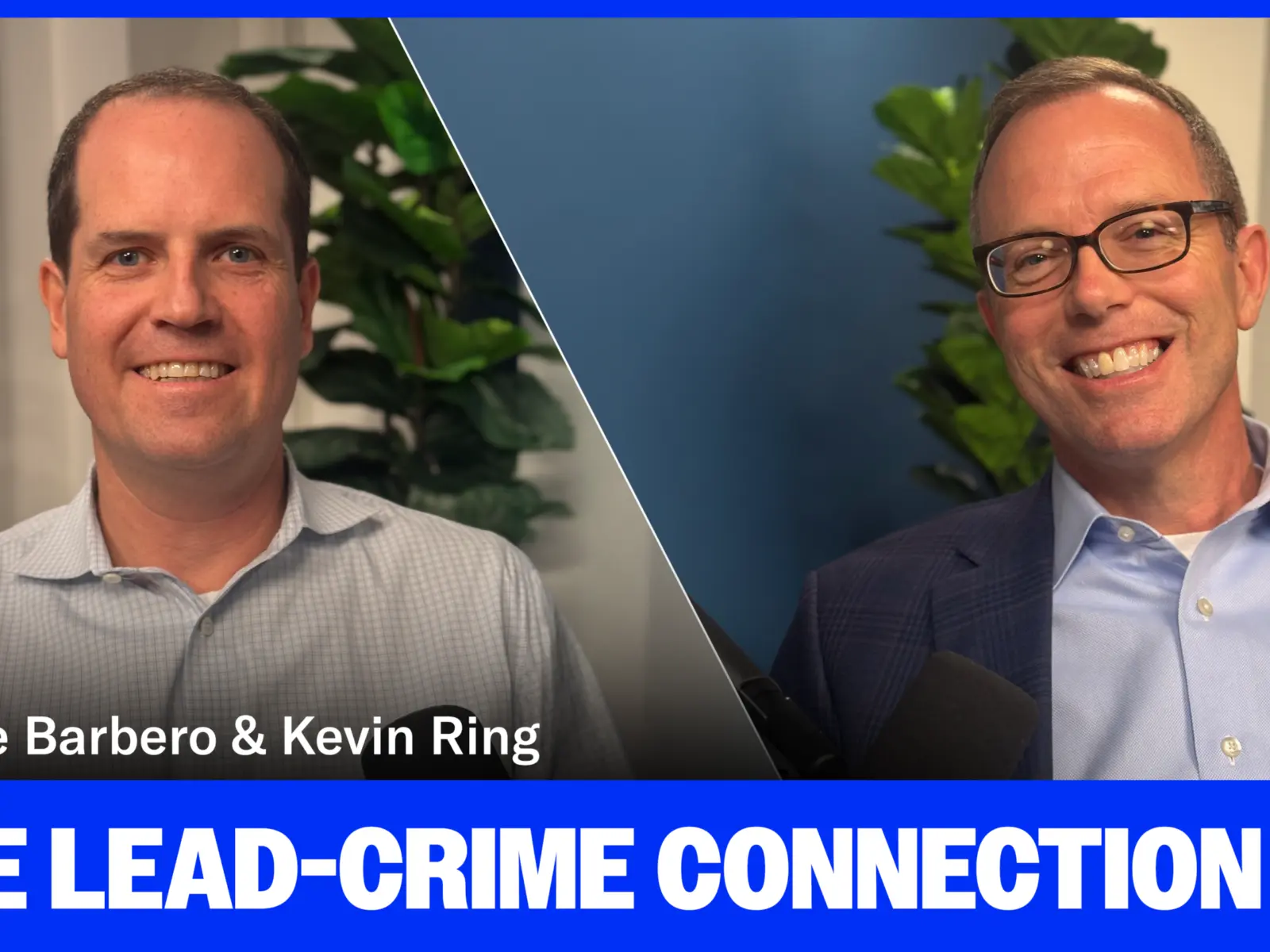
[00:00:41] Kevin Ring: DNA testing has been used in criminal cases since the late 1980s. Many of us assume it’s just part of how police investigations work: routine, widespread, and reliable. But Ashley Spence says the reality is far more complicated. Ashley knows this issue better than most. She founded the DNA Justice Project in 2022, motivated by her personal experience as a survivor of an assault which was solved using DNA.
In this conversation, we tackle the pressing questions around this technology and ask, if the science exists to identify suspects, why are we leaving it on the table? I’m Kevin Ring, and this is Field Notes.
Ashley, thanks for joining us. I want to start by saying so many people who come to the criminal justice space are motivated by something that’s happened in their life. No matter what side of the issue they’re on, something has happened that has turned them into an advocate, and that’s the… true of you, of course.
Can you share the experience that brought you to the advocacy world?
[00:01:48] Ashley Spence: Yes. Well, thank you so much for having me here. I never thought I would be doing this work, if I can be honest. I am from Texas originally. I went to college at Arizona State. I was about to start my sophomore year. I was so excited, you know, just to be free, to be on my own.
And, I went about a week before school started to get to know my new roommate. At this point, we weren’t in a dorm anymore, you know. We were really on our own in an apartment. And they put us in the very back corner unit on the ground floor, Building K. I will never forget it. It’s etched in my memory.
And, you know, I went to bed one night… I’m not gonna go into too many, too many details, but I went to bed and, as I always did, feeling like I was safe, but unfortunately, this night I wasn’t. And while I was asleep, an intruder came into my apartment, and I was very violently raped, beaten, and tortured for hours, but very lucky because I’m here with you now.
But he got away, and I never saw his face, and it was a cold case for nearly eight years, so for over seven years, and he was finally apprehended through a DNA match in California.
[00:02:55] Kevin Ring: What was that like, though? Not in the days after, but for a while where you’re thinking, you know, “Am I safe, knowing that this person’s out there?”
Yeah. And, like, what was that feeling?
[00:03:07] Ashley Spence: Terrifying. I mean, I couldn’t do things, just, like, wash my face, ’cause it meant for a brief moment in time I would have to close my eyes. I didn’t know who did it. Before he left, he said, “You know, if you tell anybody, just like I’ve been watching you and your friends, I will be watching you still, and I will come back, and I will kill you.”
And, you know, that was haunting, and almost more so than that, ’cause I was kind of in a state of just, like, shock and terror. But, you know, I would hear the muffled screams of his victims in my head. I couldn’t sleep at night because I knew someone like that was not stopping, and he was free.
[00:03:43] Kevin Ring: And what did it do to your life for that period?
I mean, what did you do in the years after?
[00:03:47] Ashley Spence: Oh, gosh. It took me down a very, very dangerous path. You know… I tried to be strong. I tried to go to school, but I was no longer Ashley, right? You know, I was the victim now. It was all over the news. I feel like my sense of self was totally stripped and, you know, working so hard.
I was calling people that had called my apartment that night a guy, you know, and accusing him of coming into my apartment and assaulting me, you know, and being recorded. You know, it was just a nightmare really. And I ended up moving to Newport Beach, California. I dropped out of school, and I said, “I’m gonna start fresh,” and, you know, that took me down a very scary path, too, because I didn’t tell anybody.
I lived in silence for 13 years, so I was numbing it out with alcohol, Xanax, anything you could imagine just to not have to feel the pain in the darkness.
[00:04:33] Kevin Ring: Well, and that’s an important point because I think people, that’s a statistic. It’s just a… it’s a sexual assault that’s not solved, but you don’t think about how that’s impacting your life and then reverberating for your family and everybody else.
There’s just a huge cost.
[00:04:48] Ashley Spence: It rips, it tears communities apart. It tears families. I mean, even my friends. I mean, if you think about it, we were 19, and, it destroys and terrifies communities, and we did not know who did it, so they lived in fear. They had to go through the secondary trauma of having a friend that went through all of this.
So it’s terrible.
[00:05:08] Kevin Ring: But talk about then how the perpetrator did get apprehended and just sort of strange circumstances there.
[00:05:16] Ashley Spence: Yeah. So I literally picked Newport Beach, California. I moved out with, there with one of my girlfriends from Arizona State. I’d never lived out in California, but I wanted to be by the ocean.
We’re both Pisces, okay? So we love the water. Picked it randomly. And if you can believe it, I moved back to Texas, and it was seven years after my assault that I got the shocking phone call that there was a DNA match. And ironically, I moved to Newport Beach to escape this monster, and I guess in reality I moved to the very city literally that he lived in.
[00:05:46] Kevin Ring: That’s gotta be unnerving. To even, I mean, just…
[00:05:48] Ashley Spence: It’s insane…
[00:05:48] Kevin Ring: even to think about. Yeah.
[00:05:49] Ashley Spence: It’s insane. I was on, I don’t know if you’ve been to Newport Beach. You know, tiny beach town. I was on 40th Street. He was apprehended on 41st Street, one block from where I lived all those years trying to break into a home where three young girls were living.
And an officer saw him. They got into an altercation. He eventually resisted the officer’s arrest, a felony. And California’s one of 19 states that collects DNA at the point of every single felony arrest. So it triggered a process that changed my life forever.
[00:06:14] Kevin Ring: And it… was it at that point that you, at what point did you decide, “We’ve gotta change these laws”?
I mean like was it immediate? Was it when he was finally apprehended and you realized it was DNA that was the answer? What, when, what was it?
[00:06:28] Ashley Spence: No, because we still had to go to trial. So we waited five years for trial. Partly he was trying to represent himself, which was a nightmare. And a really important reason was we were waiting on a Supreme Court case.
In 2013, Maryland versus King, they found that taking DNA for serious offenses, qualifying arrest, is a reasonable part of the booking procedure. In fact, it’s like fingerprinting. And, you know, in my opinion, it’s more accurate. So because of that ruling, we were able to go to trial. And, you know, that DNA I want people to [00:07:00] realize, too, it’s doesn’t mean it’s certainty.
But that’s what is used as an investigative lead. That is part of the whole process. So we had to go to a full trial. And in trial they were able to prove that it was 38 trillion times more likely his DNA than anybody else’s. Along with everything else, he was arrested. There was a shed behind his home full of women’s underwear and ID cards from literally all over the world.
He traveled for the Olympics. He would take odd jobs, you know. So the amount of victims he had, we still do not know. And his sister came to sentencing. And his sister, like we were crying and hugging each other, telling each other how sorry we were. And she said, “I had to become a detective because I grew up with him as a brother, and we’re certain he’s murdered people.”
[00:07:40] Kevin Ring: Wow.
[00:07:40] Ashley Spence: So I finally got that closure. He’s in prison for nearly 138 years. But what scared me was I did not realize that every state did not collect DNA at felony arrest, you know? And in Arizona, for example, as the law stands for resisting the officer, they would have never swabbed his cheek for that. So he would still be free terrorizing his next victims in the very state that he’s serving his prison time.
[00:08:05] Kevin Ring: That’s incredible story. Obviously, I’m sorry you had to go through that to get to this point, but you’ve made it a mission now, and you’re doing such amazing work. So, I mean, your career now has just been one of successfully using that story and just other people’s experiences to change the law for the better.
So… You decide to create DNA Justice Project. At what point? I mean, when did you sort of get… make this the full time?
[00:08:30] Ashley Spence: So I had yoga studios in Austin, actually. Very different work, but I was going and testifying kind of on the side.
[00:08:36] Kevin Ring: Yeah.
[00:08:36] Ashley Spence: I was speaking on the side, and I met this woman, Jayann Sepich, in Texas, and Texas didn’t start collecting DNA for certain violent felony arrests until 2019.
So we went in 2017 and then again in 2019, ’cause they meet every two years in Texas, and we were testifying together, and her daughter was Katie Sepich. And this law to collect DNA for all felony arrests, in many states it’s called Katie’s Law. And we actually were both assaulted, didn’t know each other, but she was a New Mexico grad student two weeks after mine.
But sadly and heartbreakingly, she didn’t survive. She was very brutally raped and murdered. Her body was lit on fire, and the only DNA was under her fingernails, because she fought so hard for her life. And her mom will tell the story. Jayann, who’s become like a second mom to me and just a complete mentor, and she said she sat with detectives and she said, “Well, you know, he’s not gonna stop. He’s gonna get in trouble for something else, and when they arrest him, they are going to swab his cheek, and then we’ll find her killer. We’ll find the match of DNA.” And they were in New Mexico living there. And they said, “I’m so sorry, Jayann, but you cannot just swab someone’s cheek if they are arrested for a felony.”
So that activated something in her to go state to state to change these laws, and I… as I said, in many states it’s called Katie’s Law, and we will never know the amount of children and daughters that she has saved by that work. But she’s since retired and kind of gave me the wings, which was a big
[00:10:02] Kevin Ring: You’re filling the shoes.
[00:10:03] Ashley Spence: Yeah… big footprint. I’m trying.
[00:10:04] Kevin Ring: You’re doing well.
[00:10:05] Ashley Spence: It’s hard.
[00:10:06] Kevin Ring: So people have… if I tell people I’m working on DNA, they’re like, “That’s been around forever. That… of course it’s used. That this is… isn’t that part of the process?” And but you know better than most that it’s not and that you’re having to fight.
But it’s not only just fighting to expand collection laws and who we can take it from, but also even collecting it then, you know, doing the work on it, right? The labs are overflowing and things like that. So it’s not being used to its potential. Why do you think that is? Like, I mean, we’ll drill down, but like what big picture, why if this thing is so effective, why are we not using it more do you think?
[00:10:45] Ashley Spence: Oh, I ask that all the time. You know, I thought it was gonna be easy, as you know?
[00:10:48] Kevin Ring: Yeah, yeah.
[00:10:48] Ashley Spence: Just I didn’t know much about this work, and I didn’t… you know, traveling state to state, and I’m like, well, the reason that I went through what I did and I survived is because now I have this story that can help save other people from going through this.
You know, it’s gonna be meant to be, but it’s been so hard, so hard. And I don’t… there’s, there’s two reasons, and I think a lot of it is misunderstanding on what is going in, and people get freaked out of DNA database, right? But I’m like, this is actually a system, CODIS, the Combined DNA Index System, is what we’re talking about.
It has been around since 1998. Since its inception, we have never had a breach. And everyone thinks that, you know, forensic genealogy is solving so many cases, but, that’s like your whole DNA. And I’m not gonna bore everyone listening, but that is… DNA is three billion markers. That’s what makes us human.
You know, that’s what say I’m Lebanese, if I’m predisposed, you know, to genetic diseases, all those things. What was picked by genetic scientists to go to our DNA database is actually not that. It’s 20 markers out of the three billion, and it doesn’t have any coding information. It’s literally a set of numbers.
There’s not even a name in the system. That’s kept in a private, offline, totally secure system. So I think a lot of it is educating people. And if you’re found not guilty, this is really important, it’s a federal law that you have to be able to have your DNA expunged and destroyed. The Office of the Inspector General, they do annual audits on the labs, they do random audits on the labs, and there’s heavy fines and jail time.
So not only does it protect victims, it prevents crimes, it gives justice, I truly believe it completely protects the civil liberties of those that are arrested. And it’s like a fingerprint, you know, but it’s more accurate.
[00:12:25] Kevin Ring: Well, it not only… and you know this, the research on this… I mean, it was done by Jennifer Doleac, who runs Arnold’s Criminal Justice Program, but not only does it solve crimes, there’s strong evidence that it deters people.
Once they know that they’re in the database, they’re less likely to commit crimes. And so it does feel like it’s a win-win. There’s like… It’s deterrent and crime solving. But we’ve advocated together in similar places, and I think you’re right about the confusion. I mean, in Pennsylvania, for instance, there’s like… this is 23andMe, right?
Or this is Ancestry. And so you have my whole family’s information there, but it’s not that. And I… I think there is just a lot of confusion about what this is.
[00:13:09] Ashley Spence: Confusion, and they’re like, “Well, this is a new database.” I’m like, “No, this is… You’re already… All 50 states are already participating it at the felony conviction level.”
So this is not a new system that we’re reintroducing. It’s not a new database. But we do want to look at expanding at the point at which we’re collecting.
[00:13:25] Kevin Ring: Yeah. Well, okay, so this is an objection you hear, right? Is, “I’m not guilty of a crime. You can’t swab my cheek and… you know, violate my bodily integrity when I haven’t even been convicted of a crime.
This is America, and I’m innocent until proven guilty.” But, what do you say to that?
[00:13:45] Ashley Spence: I believe that too wholeheartedly, and I have the DNA Justice Project ’cause I fight for justice. This is one of the most amazing tools that can provide that justice, okay? And we’re talking about a serious offense, arrest, a felony, okay?
So we’re not talking about a routine traffic stop that’s illegal. We can’t just go and swab people at birth. You know, I’ve heard that too. That is not what we are talking about. We are talking about a felony arrest. And, you know, I think about this in my case particular. So I mentioned earlier there was a guy actually that called…
He kinda creeped me out, so we didn’t have that many people that had come to our apartment. You know, there was about, you know, a handful that week, and he wanted to watch, like, the Ted Bundy movie. He knew my roommate, and I didn’t know… It was just really… Like, I felt really unsettled around him, okay?
And he called my apartment at 3:00 AM that night, 3:00 AM. So my brain, because I didn’t see who it is, that’s gotta be him. So the detectives collected DNA voluntary from over 50 people. They ran out because college hadn’t started yet, so that was kind of all… They ran out of people to collect DNA swabs from.
And this guy finally gave his DNA voluntarily, and it took, you know, almost a month to come back, which was also heartbreaking, and I was shocked and terrified ’cause it wasn’t a match.
[00:14:59] Kevin Ring: Mm-hmm.
[00:15:00] Ashley Spence: And I think without the science and without this truth, I have a board member, he spent 18 and a half years in prison, James Tillman, you’ve met him, for a wrongful photo ID of kidnap and rape.
18 and a half years, and he was finally exonerated. The Connecticut Innocent Project took his case up, and he was the first man to be exonerated through DNA. But I look at this, and it’s just such an injustice, and I think this is a tool that we have to be maximizing, and it’s a really good, secure system.
[00:15:26] Kevin Ring: So for people who don’t know, how is DNA evidence collected? I know in your case it was a rape kit, but generally, how is it done in different types of crimes?
[00:15:33] Ashley Spence: Yeah, so mine was a forensic examination by a forensic nurse, so they take evidence actually off my body. But they also sent people, detectives, to my apartment, and, you know, they’re trying to find if there is hair, if there is blood, if there is saliva, if there’s anything that has been left in that realm of DNA that they can link people with.
But, you know, it’s so important because you look at it, like, my rape kit, the DNA evidence, it was actually found from saliva off my chest is what actually ended up catching this guy.
[00:16:02] Kevin Ring: And that’s…
[00:16:02] Ashley Spence: Very precise.
[00:16:03] Kevin Ring: And that’s so much more extensive than fingerprints, which you may not catch at a scene, right?
So this is, in addition to being more accurate, you’re just more likely to find DNA evidence.
[00:16:12] Ashley Spence: Yes, and one thing in my case particularly to show how DNA has advanced and technology’s advanced, when in 2010 they did when he was caught, they retested the DNA, and they did what’s called Y‑STR extraction.
So what they did essentially was they extracted the X chromosome from the Y chromosome, and then they retested the DNA, and they found it actually all over my body, and that aligned with every single story that I immediately told detectives and police minutes, hours after my assault, and that made for a very compelling case in court.
So it’s way more accurate. That is more than any fingerprint could ever tell, way more. So it’s just… it’s a very, very science-based, accurate system.
[00:16:54] Kevin Ring: I hear civil libertarians get concerned: You’re gonna have your DNA taken and it’s gonna sit on the government shelf somewhere, and so you’ll never get rid of that.
What do you say to people who think, you know, they just may not trust the government anyway, but they just feel like, “I don’t want them holding onto my DNA even if I’m acquitted or I’m, there’s no match”?
[00:17:15] Ashley Spence: If you’re acquitted, if the, the case is dropped, if you’re found not guilty, your DNA has to be expunged and destroyed from the system.
But it’s a federal law, it’s a requirement. And I’ve talked to people specifically at the labs that run the CODIS departments, and they’re, “We’re not hanging…” They don’t wanna risk their careers, but A, they can’t really… they’re not doing anything with it. And I do wanna remind people even when it goes into CODIS, it’s still held at the state level.
Like, the state is in charge of all of the DNA that goes into CODIS. And…
[00:17:40] Kevin Ring: and then we heard in Iowa a concern that if Iowa said, “Okay, you can’t hold onto it,” the feds may still. But that’s not true either.
[00:17:48] Ashley Spence: Right. That is not true. That is not true. There are great safeguards and protections that are in place for a reason.
Everyone’s very protected through this system.
[00:17:56] Kevin Ring: Okay, so we can violently agree on this, but for some reason we have to [00:18:00] do a lot of advocacy to convince others. How many states collect at the felony arrest, and, like, what’s the state of play that you’re working in with that right now?
[00:18:09] Ashley Spence: So 31 do certain violent felony arrest and some of those include burglary, and actually we get a lot of hits to burglary, so it’s always a good one, I think, to include.
19 of those due for every single felony arrest. When Texas expanded… Because we face similar things in Texas. People were worried about privacy, they were worried about the system. All the things that you’ve brought up, those were concerns. But once we passed to collect for certain violent felonies and burglary, in one year Texas DPS closed over 240 cold cases.
The next year it was, like, upwards of 630. So 2023 we went back to the legislature and we passed unanimously to collect for all felony arrest. And Texas DPS just announced in one year they closed 1,005 cases through this alone. So you start to see it, it just work, and I think about, you know, the lives we save.
I’m a mom now, too, you know?
[00:18:59] Kevin Ring: Right.
[00:19:00] Ashley Spence: And I think about the people that we are protecting.
[00:19:03] Kevin Ring: I think people are surprised that California’s law, which is all felony arrests, was passed by a ballot measure, I think.
[00:19:08] Ashley Spence: Yes.
[00:19:09] Kevin Ring: Which is… You know, people think who is most sort of protective of civil liberties?
It’s more progressive people in the Californias. But when it was put up to a vote, they chose that.
[00:19:19] Ashley Spence: Yes.
[00:19:19] Kevin Ring: And so I just wonder if there’s the legislators are doing a little gatekeeping and not in touch with their constituents who do want this used by law enforcement.
[00:19:29] Ashley Spence: Yeah, most think, like, “Aren’t we already doing this?”
[00:19:31] Kevin Ring: Yeah, yeah.
[00:19:31] Ashley Spence: What do you mean? What do you mean? You know, the majority of people think that we are using this.
[00:19:36] Kevin Ring: Yeah. And then but then there’s a second problem with this is not just- Who we can test and when can we test them? But it’s also just the processing and the sense that with the rape kits, the backlog, and all that sort of stuff.
Is that just resource issues? What is that? Why is it such a problem?
[00:19:53] Ashley Spence: It’s always so complicated and nuanced, I think, the more I go and I meet with labs and I see, you know, how hard they’re working. Yeah. And, you know, there’s fun… there’s always funding issue in every realm. There’s capacity issues. But, you know, on top of the rape kit backlog issue, and I know, you know, people like Joyful Heart Foundation, you know, they work very, very hard on that, and that means so much to me, especially as a sexual assault victim.
But, you know, the, the other side of the coin that you have then is the DNA. So you can do all this great work to clear, for example, rape kit backlogs, but if you’re not testing the DNA, you’re gonna clear it–
[00:20:28] Kevin Ring: Right.
[00:20:28] Ashley Spence: …against literally nothing.
[00:20:29] Kevin Ring: Right.
[00:20:29] Ashley Spence: So, you know, really working towards giving people the resources, giving the labs the tools, and getting the policy across so that we can collect it.
There are so many different factors. But federally, they’ve been doing this since the DNA Fingerprint Act of 2005.
[00:20:45] Kevin Ring: Yeah. What do you… if you envision a better system, and in this I want you to talk a little about rapid DNA. Like, if we were fully exploiting our use of DNA technology, what would that look like?
You know, in… and [00:21:00] including just having it more available to more police departments, having it in the booking stations. Like, what does that look like?
[00:21:05] Ashley Spence: Yes, I want every single state to be collecting DNA for every single felony arrest, every single one. I want us to really focus on getting the resources and tools to our labs and to our law enforcement.
And, in Texas, another example, I’m from there, so this is a great one. But, you know, we just passed to have rapid DNA technology in booking stations in Arkansas. It’s called the Eliza Fletcher Act, which I helped work on. And in New Orleans, actually, in Baton Rouge, actually, in Louisiana, they were the first ones to go live with this.
So…
[00:21:34] Kevin Ring: and what’s rapid DNA?
[00:21:35] Ashley Spence: Rapid DNA, it’s like a printer. It looks like a printer. It’s small, but it’s the most incredible thing I’ve ever seen because in 90 minutes you can take, for example, if it’s in booking for a felony arrest, a cheek swab, you can upload it into a cartridge, put it in this machine that looks like a printer, and in 90 minutes it can tell you if this person is connected to any of the most violent unsolved crimes across the country in what’s called the disc.
24 hours, it will check the entire CODIS DNA database. And something like this is groundbreaking, and not only to identify perpetrators quickly, but to eliminate them.
[00:22:10] Kevin Ring: And why don’t we have that?
[00:22:12] Ashley Spence: Another great question. We’re working on all these amazing things.
[00:22:15] Kevin Ring: Right, but that’s money too, right?
[00:22:17] Ashley Spence: It’s… it is, but you know what I always talk about too is CODIS when it first came live, you had to put an investment into it.
Yeah. This is new technology, and, you know, we look at every area, in my opinion, of our life that is advanced. It’s wild, okay?
[00:22:30] Kevin Ring: Yeah.
[00:22:30] Ashley Spence: Every area has technology…
[00:22:32] Kevin Ring: right.
[00:22:32] Ashley Spence: …that is advanced, and we have this incredible technology like Rapid DNA, and we are not utilizing it. Why? Well, all these reasons of funding, things like that, but justice is going to continue to be withheld.
[00:22:44] Kevin Ring: Right.
[00:22:45] Ashley Spence: And we’re talking about preventing victims. I mean, literally every minute counts, and we have a tool that in 90 minutes you can also use at the FBI just… they did their standards, so, and this last summer they said that you can actually use these Rapid DNA machines on crime scene evidence.
So it’s a single source sample, saliva, blood, things like that. At the crime scene you can actually upload it into CODIS, so that’s groundbreaking.
[00:23:09] Kevin Ring: Hmm. Do you think, and this is not a political statement, do you think the moment we’re in now where people are worried about federal government agents from different departments, you know, scan, taking pictures of people, putting them into, you know, concern about them being in a domestic terrorism database–
[00:23:26] Ashley Spence: Mm-hmm.
[00:23:27] Kevin Ring: …just other operations where, you know, when DOGE, they were worried about Social Security information being–
[00:23:32] Ashley Spence: Mm-hmm.
[00:23:33] Kevin Ring: …taken. So I… it feels like this is a moment where there’s more distrust of the government, particularly the federal government, and that’s bleeding over into this issue even though they’re very different. But even with some of the newer technologies, it’s not regulated the way CODIS is.
And so I feel like that needs to be explained to people, that this is a safe… as you said, there’s been no breaches.
[00:23:55] Ashley Spence: Right, and there’s great safeguards and quality protections, but also that’s why we want to start getting a good foundation out state to state and utilizing this in the right way, you know?
And really working on having the safeguards, but it’s such a great system, and to me, I’m like we’re talking about just expediting the process, and…
[00:24:12] Kevin Ring: Right.
[00:24:12] Ashley Spence: …that actually has been really cool about Rapid DNA, you know, working in different states on it, is it’s really brought people together from all sides.
Once you actually get the legislation out there, you know, it’s made both, both sides excited and come together. In Arkansas it was so cool just to see the whole screen go green together, you know? You don’t see that very often. No. Everyone voted for it, so it was great.
[00:24:32] Kevin Ring: Well, you’re making progress. I mean, and I think you talking about it and the way you do it, which is not only just your personal experience, which you’re generous to share for this cause, but because you know the issue so well and I think when people think I’m solving a particular problem, right?
It’s not… this isn’t broad criminal justice reform. This isn’t some slogan. This is, here’s… we could solve more crimes, and we could solve them faster, and that will bring justice. What do you… what’s the ideological opposition? Is it, like, is it privacy rights? Is it Big Brother on the right?
Like, ’cause this, this isn’t just R versus D, right?
[00:25:09] Ashley Spence: Right.
[00:25:09] Kevin Ring: This is people on both sides support it, and people on both sides oppose it.
[00:25:12] Ashley Spence: Right.
[00:25:13] Kevin Ring: And so what do you most encounter in that?
[00:25:16] Ashley Spence: That’s exactly it really, you know, and I think it’s been interesting. But I feel like more middle ground people–
[00:25:21] Kevin Ring: Right
[00:25:21] Ashley Spence: …have come together on this.
[00:25:22] Kevin Ring: Right.
[00:25:23] Ashley Spence: A lot of times it’s extremes that kind of horseshoe together, which can happen. But, I really do believe that once people can understand how the system works, you know, they develop this great trust with it, and they see what good it can do. And, you know, this isn’t new.
It’s what I just keep trying to tell people. It’s been, we’ve been using the system, but we’re just not maximizing it
[00:25:45] Kevin Ring: Well, you’re having success, so do you wanna talk a little bit about, you know, what’s been going on the last couple years or even just this year in terms of state progress that you’re seeing?
[00:25:53] Ashley Spence: Yes. You know what? This year’s been especially busy, and that’s also very exciting, and I had to really rethink, you know, this. It’s like a marathon, so we might not get everything done exactly in that first session or maybe the second, but, you know, I was really excited at how many states that really wanted to…
Had great representatives and senators. I mean, this work is not possible for me without people like that. We have really great people that are championing this in every state. And I’m about to go to Tennessee. Hopefully they can be expanding. We’re working in Kentucky right now. We still have a bill in Georgia.
Iowa got movement, but we actually didn’t get across the next, you know, finish line, but it, it didn’t die. We just didn’t get it heard, and they have a really tight turnaround time,
[00:26:37] Kevin Ring: You’re in Georgia.
[00:26:38] Ashley Spence: Georgia.
[00:26:38] Kevin Ring: Missouri.
[00:26:39] Ashley Spence: Missouri. Yes.
[00:26:40] Kevin Ring: And I think, well, I think not only do you have a good approach about accepting incremental progress but this is an issue that lends itself to that because sometimes you get a half loaf, and if you accept that, there’s no coming back, because people think… But this one, you’re like, “I’ll take as many crimes as you give me,” right? “And if you take, give me violent, I’ll take, come back for the more other ones next time.”
[00:27:00] Ashley Spence: And let’s develop trust then.
[00:27:01] Kevin Ring: Yes.
[00:27:02] Ashley Spence: You know? Then let’s let you see. Let it go into action.
[00:27:05] Kevin Ring: Right.
[00:27:05] Ashley Spence: Collected at booking for certain violent felonies. I always encourage burglary. You get a lot of hits from burglary that you’re not gonna get, ’cause a lot of, these cr… my guy, for example, he wasn’t getting caught for the very violent rapes and what his sister said was murder, but he was getting caught for lower level felonies.
So he was caught for voyeurism, burglary, you know, theft, all these different things, but he never had his cheek swabbed. But what we do know is the sooner that we can get them, you know, the more crimes that we will prevent, and it just, it benefits our community entirely.
[00:27:38] Kevin Ring: This may be hard for you to sort of assess because you come with both facts, evidence, and your personal story.
But what… what is your sense that moves lawmakers in your advocacy? I mean, do you think it’s like they need to know… you know, sometimes people say, well, anecdotes–
[00:27:54] Ashley Spence: Mm-hmm.
[00:27:54] Kevin Ring: …are harmful because it’s just, these are one-offs. But sometimes anecdotes are illustrative [00:28:00] of the evidence. And they can be actually good examples, and it seems to me that that’s the case with you But I mean, it does seem to me that you reach people because you are sharing experience where but for this technology, your crime wouldn’t have been solved. I mean, is that, do you see that light go on there, or is it–
[00:28:17] Ashley Spence: I do, but you know, it’s been, I’ve poured my heart and soul into this, and I’m always learning.
[00:28:21] Kevin Ring: Yeah.
[00:28:21] Ashley Spence: And I’m always open, and my favorite, my dad’s always told me, like, build a bridge, you know? And how we can listen to people, ’cause everyone has their issues that are important to them, and I think there’s validity in everyone’s feeling. But the more we can… I try to come and learn as much as I can from people that actually don’t agree with it too, ’cause then I can try to… come into an understanding.
Okay, well, what are your concerns? ‘Cause you’re walking in a different shoe than I am. You know what? Your lens is different than mine. And, you know, hopefully finding a connection that way, but then also studying, studying, studying. And I’m, you know, constantly learning and trying to evolve, but I think it’s bringing not just…
’cause as a legislator, they hear a lot of hard stories all the time, a lot, you know? And I’ve met victims from all over in so many different realms. So it’s not just the story. I think that’s a big part of it, ’cause it humanizes it, but also being able to come with the facts. And I love that Jennifer Doleac is with you all, because before I had met her and met you all, I was using her economic studies when I would testify.
[00:29:19] Kevin Ring: Yes.
[00:29:20] Ashley Spence: Because then you can look, okay, it’s also cost savings. We’re saving millions. We’re saving lives. No-brainer.
[00:29:26] Kevin Ring: I think, I do think that is the reason for your success, though. Because I think a lot of people who have a personal experience are like, “Do this because this happened.”
[00:29:34] Ashley Spence: Mm-hmm.
[00:29:35] Kevin Ring: And that’s not gonna move everybody. Right. And I think the fact that you’re open to, like, I know there’s arguments on the other side. I’m not dismissing you and saying, “If you don’t do what I want, it’s because you’re a heartless bastard who doesn’t care.” You’re saying, “Let’s engage on that.
What are the concerns? And let’s do that.” So I think, I think what’s made you effective is that you not only have the experience, which opens their eyes, allows the conversation to happen, but then you’re willing to hear them out on this stuff. And I think… and then the other thing you’ve done I thought that’s been great is working with James.
And talk a little bit about how important it is. I think people have forgotten this exonerates people.
[00:30:10] Ashley Spence: Yes.
[00:30:10] Kevin Ring: Like, it’s not just crime solving, it’s clearing.
[00:30:12] Ashley Spence: Oh, I love James. It… I, like, get really emotional when I talk about him, because we met at the California Department of Justice years ago.
[00:30:18] Kevin Ring: And to, and say who he is, ’cause we’re talking on this side…
[00:30:20] Ashley Spence: and, oh, yeah. So James Tillman, James Calvin Tillman. And he has a book out too if anyone wants to read it, The Power of Conviction. He’s just a wonderful person. But it breaks my heart, because I can’t even imagine the injustice that he had to endure by being wrongfully, not just accused, but convicted without any DNA evidence.
You know, and technology was different then, so it’s advanced. Another reason why we have to keep up with it. But, you know, from a photo identification, he was put in prison for 18 and a half years. And the guy that actually did the rape and kidnap of this woman at one point was in prison with James, and he knew that James was serving time for it.
[00:30:58] Kevin Ring: Unbelievable.
[00:30:59] Ashley Spence: And [00:31:00] to me, it’s just… it’s a heartbreaking injustice. It’s terrifying. And I think that this happens a lot, a lot. And we need to not only fight for people like me, but the voices that are lost in the system. This can help to maybe never, ever have to spend a day in prison. And you look at rapid DNA with James’ case, he would’ve maybe spent 24 hours.
24 hours, because the DNA wouldn’t have matched.
[00:31:24] Kevin Ring: What’s next? Like, what do you just, is this just head down, we’re just gonna state by state, we’re just gonna…
[00:31:30] Ashley Spence: we have a lot of states to do, so
[00:31:33] Kevin Ring: But what, what keeps you motivated? And and just, like, you’re a happy warrior about this stuff.
I mean, you have every right to be angry at the world and feel like you were cheated. Oh. Instead, you’re putting it to a good cause, and you go about it in a way that, you know, I think is infectious, that people are willing to listen to you, and makes you persuasive. But, how do you stay motivated?
[00:31:54] Ashley Spence: Well, you know, we all have our stories. This one, though, it does, it gets hard because when you want… You, you get so close to the finish line. I know it’s a marathon, but then when you don’t get it really, like, heartbreaking ’cause you know, I know the impact this will have. I know the impact personally, firsthand. But, what keeps me going is, you know, my kids, and that’s weird because it’s hard for them. I’m on the road a lot during this time of year. They’re young. They’re in elementary school, about to be going into middle school. And I told my daughter last night, ’cause I’m like, “I’m so sorry.
I have to leave again for this… You know, it’s a, a big one. Should I get another job?” And she’s like, “No. Mom, you have to keep people safe.”
[00:32:30] Kevin Ring: Oh, that’s good.
[00:32:30] Ashley Spence: “You have to keep people safe.” You know? And it’s like this soul knowing that this is hard work, but, like, I can do it. I can do it. And the more great people that come together…
I’m so grateful to Arnold Ventures. I’m so grateful to you all. You all have opened doors in this work, too, you know, in ways that, to… I have never experienced before, to have the connections in different states. You know, normally I’m just banging on little doors, you know?
[00:32:53] Kevin Ring: You’re doing fine. You’re doing fine.
[00:32:55] Ashley Spence: But you know, it, it’s so helpful just seeing–
[00:32:57] Kevin Ring: Mm-hmm.
[00:32:57] Ashley Spence: …people believe in it. It gives me hope and [00:33:00] excitement and, just knowing, for example, when you see the cases close in Texas, like, gosh.
[00:33:05] Kevin Ring: Yeah, just mention that because I think, you know, sometimes you pass reform and then you don’t see the results of it.
[00:33:12] Ashley Spence: Yes.
[00:33:12] Kevin Ring: But in Texas when they made the change, what happened?
[00:33:15] Ashley Spence: Yeah, so we solved 1,005 cases. And one woman was very violently murdered, and this guy’s actually just awaiting trial now through this. And so I speak to victims all over, actually, you know, two people that were phenomenal DNA finally after 40 years.
They’ve been… 40 years they’ve been fighting. They’re in trial right now, up in Massachusetts from their perpetrator. And I do it because I speak to these victims, and if anyone’s listening and they’ve gone through something, just don’t give up hope because we have the tools, we have the resources, and the more that we can get different states on board to start maximizing it, we are gonna keep continuously giving justice to more and more people.
So that really 100% is the fuel, and just meeting great people along the way ’cause you meet [00:34:00] people that can break your heart, and then you meet people that just light that fire in you that you see there’s so many good people that are fighting for us. There really are.
[00:34:07] Kevin Ring: Well, you’re one of them. And, I just wanna thank you for being here and thanks for talking to us.
Thank you for everything that you do with the DNA Justice project. Arnold Ventures is proud to partner with you, and we’re just cheering on your success for everybody’s sake. So thank you. And I wanna thank our audience who was listening or watching. Please do subscribe for more conversations, and we’ll be back soon.