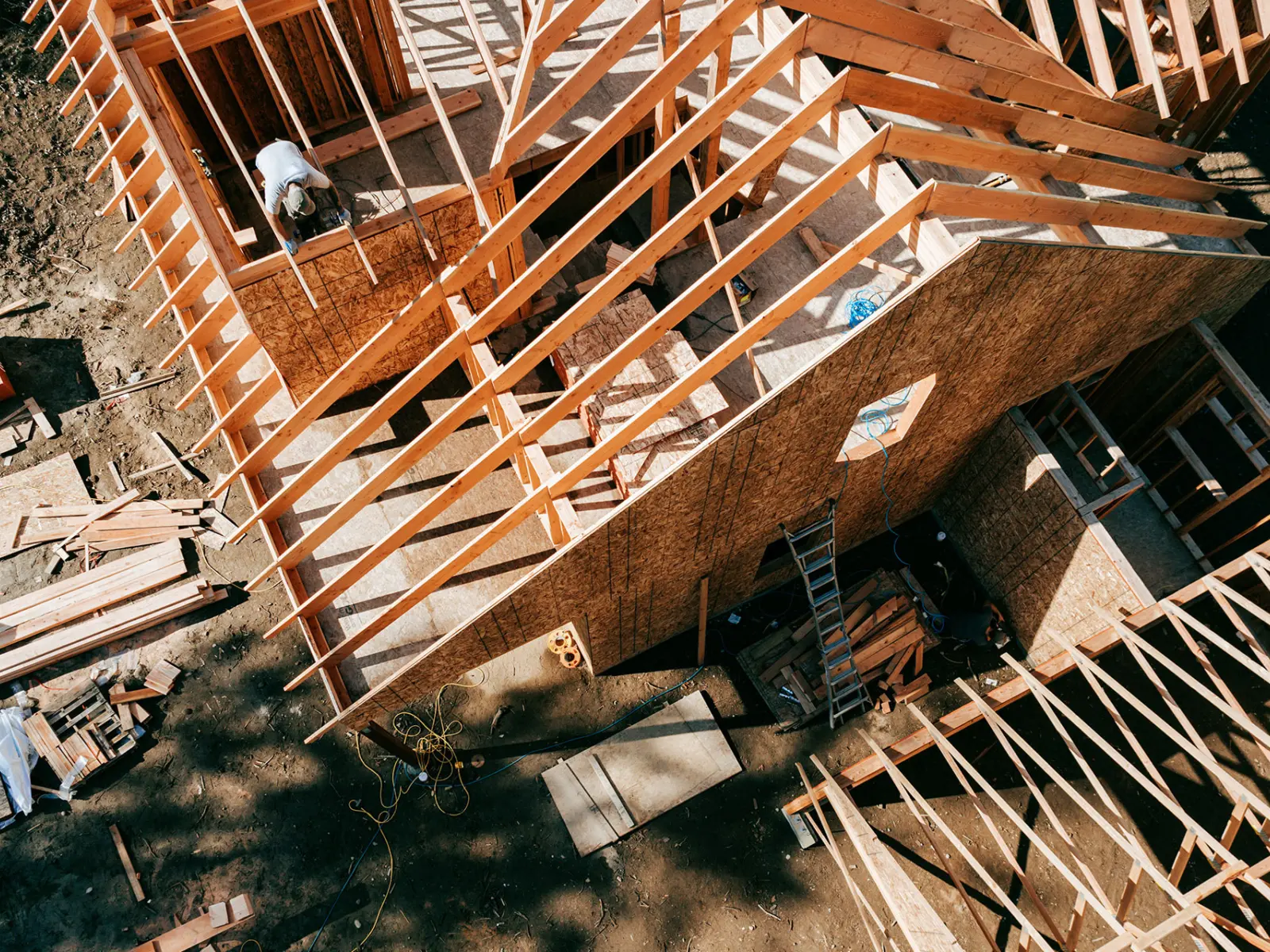
The United States has 4 to 7 million fewer homes than it needs. Closing that gap has become a shared, bipartisan priority, with leaders at every level of government working to make it easier to build.
States have led the way. In Virginia, a 2026 law championed by the faith-based group VOICE lets congregations and nonprofits build affordable homes on land they own without rezoning. Milwaukee’s Common Council adopted a housing plan in 2025, backed by the Together for Homes Coalition, that calls for townhomes on every residential lot and backyard cottages citywide. And in Arkansas, a 2025 law that Groundwork helped spur now allows accessory dwelling units by right statewide. Overall, 18 states have passed laws allowing accessory dwelling units, and 14 have passed laws to expand housing near jobs or transit, Pew reports.
“We can’t let the momentum stop and we just take this as opportunities to keep moving barriers out of the way,” says Jazmine Smith, director of local advocacy at Futurewise.
Washington has acted, too. This summer, Congress enacted the 21st Century ROAD to Housing Act, will help the country build more homes at lower cost. Bryan Tony of the Dallas Housing Coalition calls it “the largest bipartisan comprehensive housing package since the ’90s.” The Bipartisan American Affordability and Jobs Act (BAAJA), currently being considered in Congress, would carry that work further by reducing delays and other impediments to projects. Pro-housing groups believe that passing BAAJA would ensure that at least $10 billion a year in federal housing funds reach communities sooner.
Rooted in Community
Much of this progress started locally, with neighbors, faith leaders, builders and business groups organizing for more homes in their own communities. Arnold Ventures, in partnership with Welcoming Neighbors Network, heard directly from leaders of those efforts in seven states about what’s working on the ground.
“The work that I see in Washington and Idaho, Montana Miracle, all of those have created a kind of opening … that’s going to have long-term impact on housing affordability for every US citizen,” says Felicity Maxwell of Texans for Housing.
Built on Evidence, Ready to Scale
Arnold Ventures backs these reforms because they are grounded in evidence and able to scale. What works in a Milwaukee neighborhood or an Arkansas town can be adapted by communities across the country, and AV supports the research that helps policymakers bring proven approaches home.
Want to hear more? Many of the leaders featured here, including Arnold Ventures’ Jenny Schuetz, will take the stage at YIMBYtown 2026, Nov. 17 – 19 in Raleigh, North Carolina.